
C-AT designs mission-critical communication systems for interoperability, tactical vehicle communications, hazardous environment operations, and custom communication integration for military, federal, public safety, and critical infrastructure teams.
Interoperability, tactical vehicle communication, and hazardous environment safety systems for military, federal, public safety, emergency response, and critical infrastructure operations.
C-AT develops rugged communication systems that help teams connect radios, vehicles, crews, command posts, and operational networks across complex communication environments. From radio interoperability to tactical vehicle intercoms and hazardous environment safety communications, C-AT supports teams that need clear coordination across mixed systems, demanding conditions, and real deployment requirements.
Service-Disabled Veteran-Owned
All systems designed, engineered, and manufactured in the United States.
Operationally focused communication engineering and custom communication integration.
Supporting: Military & Special Operations · Federal Agencies · Public Safety & Emergency Response · Tactical Vehicle Integrators · Hazardous Operations Teams · Critical Infrastructure Operations
Hazardous Environment Safety
Connect Incompatible Radio Systems, Agencies, and communication networks across operational environments.
Disconnected communication systems can delay coordination, limit situational awareness, and increase the burden on operators who are already working under pressure.
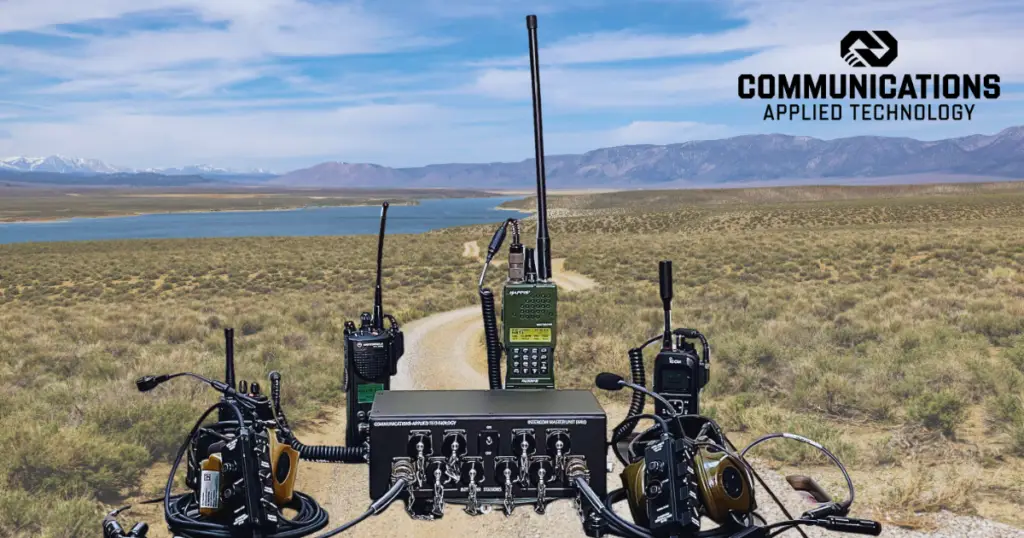
Communication problems rarely come from one device or failure point.
They often happen because radios, vehicles, teams, and networks were not designed to work together in the same operational environment.
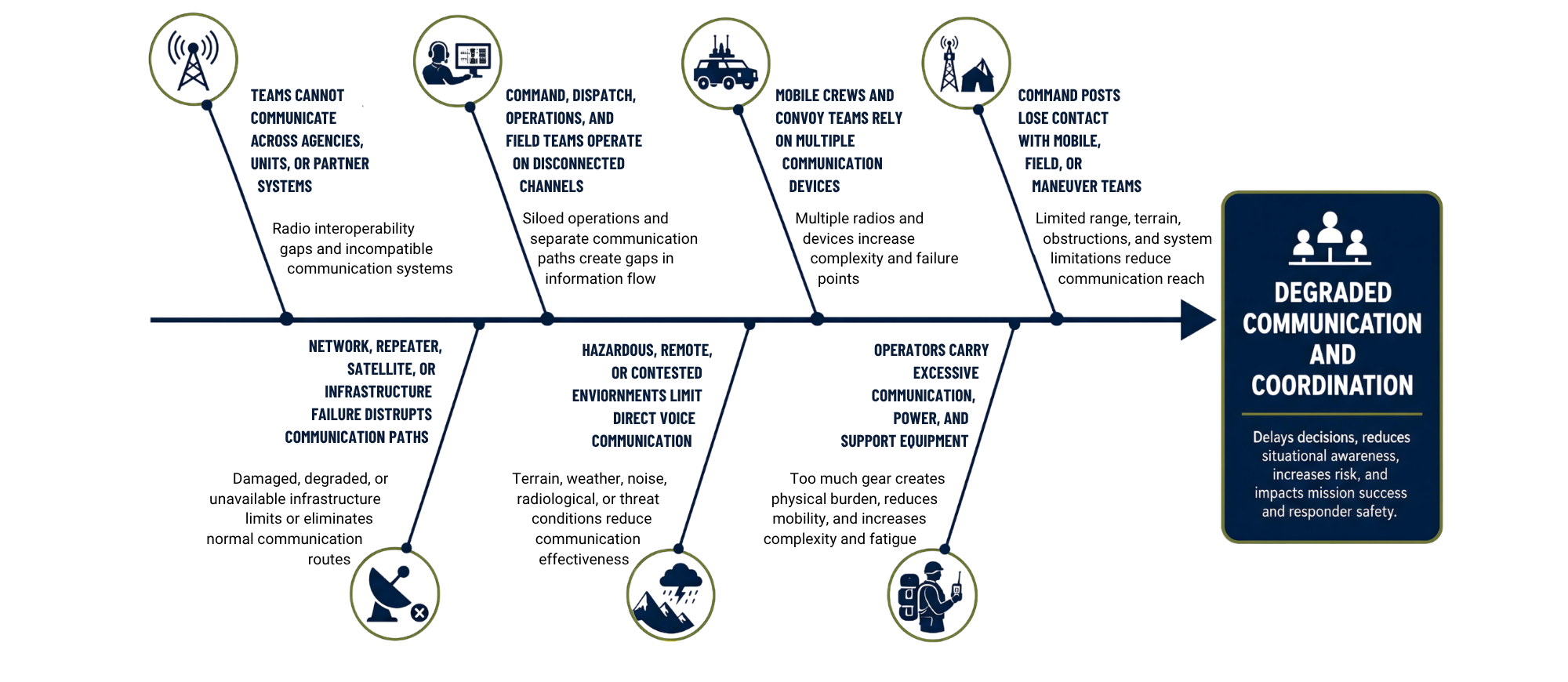
C-AT systems are designed for public safety, emergency management, defense, and government leaders close communication gaps before they degrade coordination, delay decisions, or place teams at greater risk.
From radio interoperability and command post reach to field team coordination and equipment burden, C-AT supports operational communication readiness for life-critical missions.
C-AT supports three core communication domains: Interoperability, Tactical Vehicle Communication, and Hazardous Environment safety communication.
Structured multi-radio communication inside tactical, armored, and mission vehicles.
Protected communication for personnel in hazardous and restricted operational conditions.
C-AT ComForce systems provide controlled communication across radios, intercoms, crew positions, and mission networks inside tactical, armored, and mission vehicles.
These systems are designed for mounted teams that need to manage communication across command, tactical, convoy, mesh, SATCOM, and mission-specific communication networks from inside the vehicle.
ComForce™ Tactical Vehicle Communication Systems
C-AT WIS systems enable protected personnel operating inside hazardous environments to maintain communication during safety-critical operations.
These systems are designed for environments where communication supports coordination, task execution, personnel safety, and operational control while teams work in protective equipment or restricted conditions.
WIS™ Hazardous Environment Communication Systems
Communication environments vary by mission, vehicle platform, agency structure, radio architecture, infrastructure condition, and crew workflow. C-AT systems can be configured around operational conditions instead of forcing teams into rigid equipment layouts or unnecessary replacement cycles.
Supports fixed, mobile, and rapidly deployable communication environments.
Structured communication across all crew positions and operational workflows.
Integrated across analog, digital, SATCOM, mesh, and mixed radio environments.
Interface engineering for mixed radio architectures and cross-system communication.
Mounting, power, and communication integration for tactical and mission vehicles.
Headset and crew connection support for all crew positions and protective equipment.
Power integration components designed for vehicle and field deployment environments.
Integration with existing radios, networks, and communication equipment already in use.
C-AT systems are built around how teams communicate in the field, inside vehicles, during response operations, and across degraded communication environments. That means the system must support the mission without adding unnecessary burden to the operator.
Built for demanding vehicle, field, tactical, and hazardous operational environments.
Operator-focused controls that reduce cognitive load during high-pressure operations.
Stackable, modular systems that adapt to fixed, mobile, and deployable environments.
Designed to reduce the equipment burden on operators in the field.
C-AT supports modernization across radio interoperability, tactical vehicle communication, dispatch and command center integration, SATCOM and LMR communication paths, mesh and tactical communication networks, vehicle crew communication, hazardous environment safety communication, and custom communication integration.
Modular, stackable systems support fixed, mobile, and rapidly deployable communication environments. C-AT systems can be configured and reconfigured as mission requirements change, without requiring full system replacement.
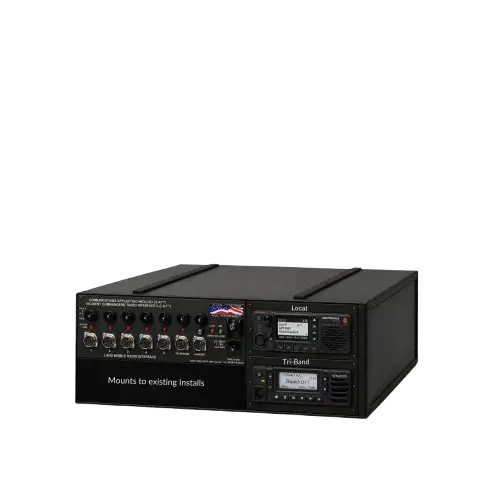
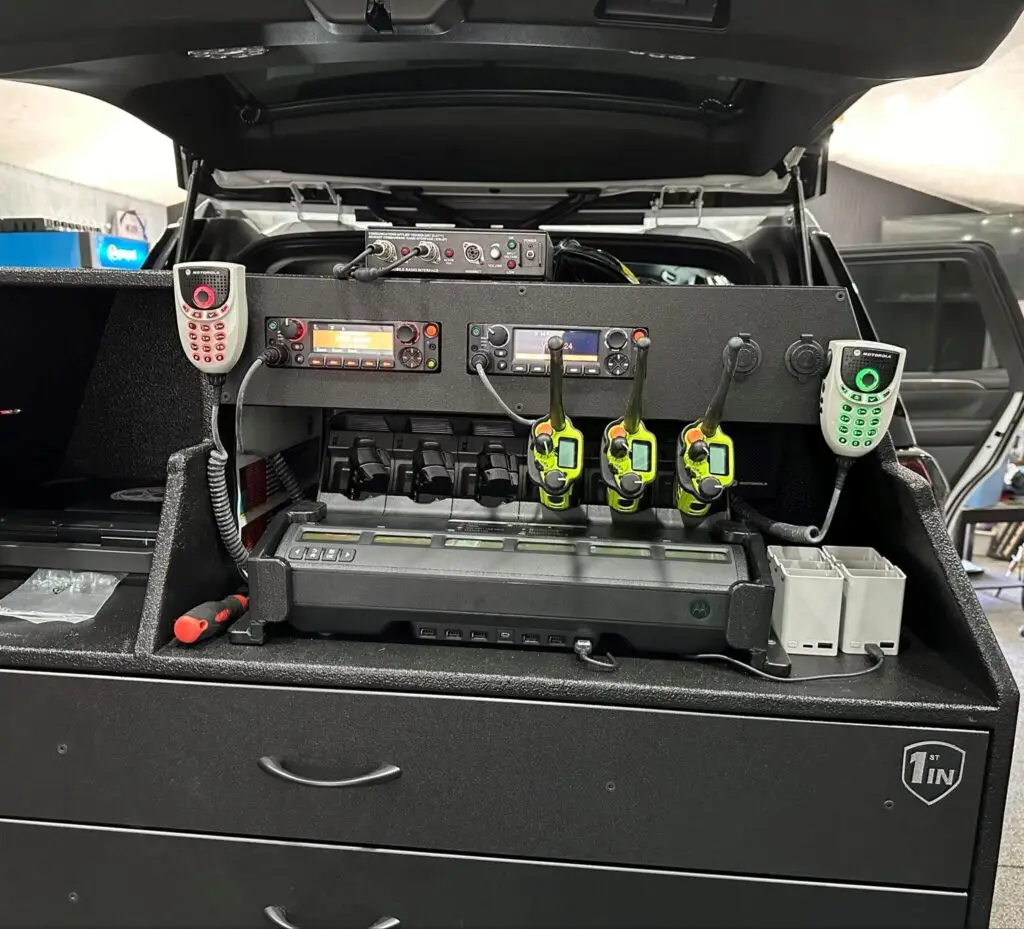
C-AT systems support integration across analog, digital, tactical, SATCOM, Mesh, PTToC, cellular and mixed communication environments. No single vendor radio architecture lock in.
C-AT works with the systems already in use.
C-AT systems help support communication continuity during emergency response, planned events, and degraded infrastructure scenarios. When normal communication routes fail, C-AT systems provide alternative paths to maintain operational coordination.
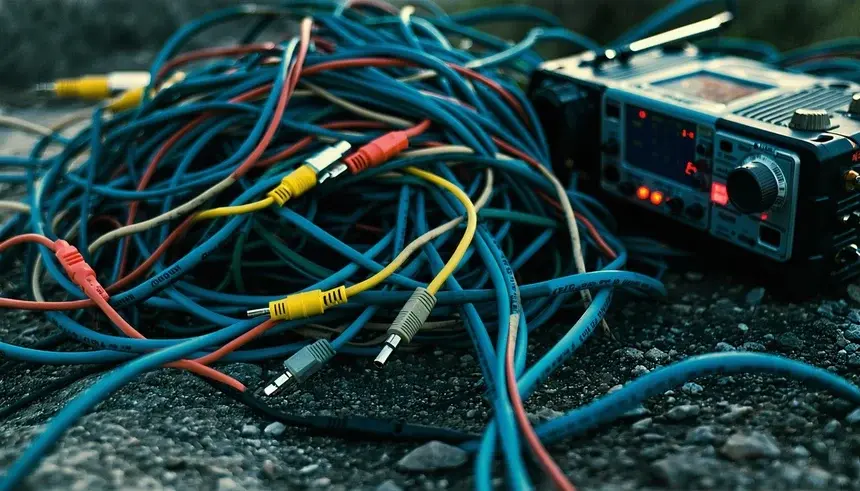
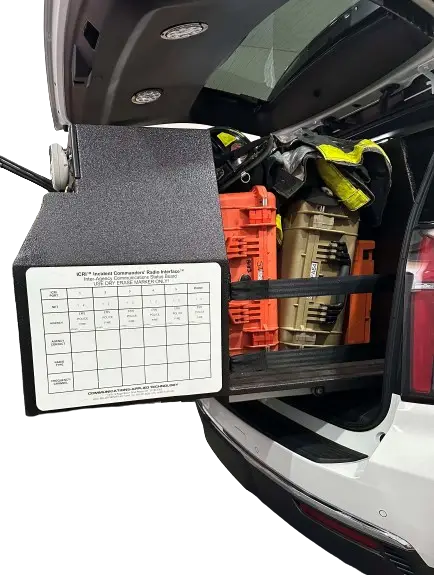
Communication systems are built for demanding vehicle, field, tactical, and hazardous operational environments. C-AT systems are engineered to perform reliably under the physical and environmental stresses of real operational deployment.
Design a communication system around operational requirements and existing equipment.
Connect C-AT systems with existing radios, networks, and communication infrastructure.
Field-ready communication systems configured for real operational environments.
Ready to discuss your communication requirements?
C-AT supports military, federal, public safety, and critical infrastructure teams with mission-critical communication systems built for operational environments.
who we support
Enabling Federal Agencies and Emergency Management teams with interoperable communication solutions.
Equipping public safety organizations and preparedness teams with reliable operational communication.
Supporting tactical vehicle integrators and upfit partners with communication system components.
Provides the safety layer of communication systems for hazardous operations teams and critical infrastructure facilities.
Partnering with communications technicians and program managers to meet deployment specifications.
Bridge disparate radios, bands and systems
Support Multi-agency and Mutual Aid operations
Maintain Encrypted Talk Group Separation
Connect Field teams, dispatch and Command Staff
Extend voice to EOCs and Command Posts
Improve situational awareness and coordination
Integrate radios, Satellite, VoIP, MESH and PTToC
Connect Starlink, LTE/5G, phones and SIP
Extend Voice to Remote Users and Locations
Operate during outages and Infrastructure failure
No towers, servers or cloud dependencies
Reliable voice in disconnected enviornments.
Add New Capabilities without Replacing all Radios
Protect Existing Investments and Workflows
Scalable as Mission Requirements Evolve
Reliable communications in challenging conditions
Support Inside buildings, tunnels, mines, vessels
Designed for extreme and hazardous enviornments
Adapt to Existing Radios, Dispatch and Consoles
Interoperate with third-party systems
Tailored Solutions for Unique Mission Needs
Portable, Rack-Mount, Vehicle and Fixed-Site Options
Rapid deployment for Events and Incidents
PACE Solution for every operational enviornment.
P25 and multiband radios are important, but they do not solve every communication gap.
Agencies still need ways to connect field teams, dispatch, EOCs, satellite, VoIP, PTToC, remote users, command vehicles, and outside partners when systems, coverage, or infrastructure do not align.
C-AT helps agencies plan the right interoperability approach before the mission, exercise, or procurement cycle.
Define the communications gap
Review interoperability Requirements
Plan Deployment options